


Online Trauma Therapy in Ontario | Expert PTSD Therapists
Trauma has a way of making you feel stuck — like no matter how hard you try, the past keeps pulling you back. You deserve to feel safe again.
Our expert PTSD therapists will help you process what happened, reduce your symptoms, and start living in the present. All delivered online across Ontario through EMDR, PE, CPT, and CBT — from home.
Your Path to Healing Starts With Online Trauma Therapy
Are you avoiding thoughts, places, or people that remind you of your trauma? Do you feel anxious, guilty, or ashamed about what happened? You are not alone — and you do not have to keep carrying this.
At Virtual CBT Psychotherapy, our online trauma therapists in Ontario use treatments that work. We offer CPT, PE, EMDR, and CBT for PTSD — all delivered from home, on your schedule.
Our Clinical Directors (Celissa or Melissa) will match you with the right trauma therapist for your needs. No guesswork. No long waitlists. Get started today by booking your free 15-minute call.
Our therapy rates. We also offer online psychological assessments with a registered psychologist.

What is the Best Therapy for PTSD and Trauma?
The American Psychological Association (APA) recommends 4 therapy options for trauma or PTSD. Research supports these four treatments as the most effective approaches for PTSD and trauma American Psychological Association, 2017).
Cognitive Behavioural Therapy (CBT)
Cognitive Processing Therapy (CPT)
Prolonged Exposure (PE)
Eye Movement Desensitization and Reprocessing (EMDR)
All four of these treatments are available at Virtual CBT Psychotherapy.
Learn more about CPT vs PE: Which Therapy is Right for You? and EMDR vs CBT therapy.
We also offer Written Exposure Therapy (WET), another evidence-based treatment for PTSD.
Our online trauma therapists in Ontario will help you choose the right therapy. They will assess your symptoms, history, and goals. Book a free 15-minute call and our Clinical Directors will match you with an online trauma therapist.
Why Choose Virtual CBT for Online Trauma Therapy in Ontario?

Online trauma therapy is as effective as in-person treatment. Research supports telehealth delivery of PTSD treatments including CPT and EMDR (Morland et al., 2014). You get the same quality of care — from home, on your schedule.

Our online trauma therapists hold specialist training in evidence-based PTSD treatments. Your therapist will track your progress every week so you can see how far you have come.

Our psychotherapists are passionate about what they do. They will create a safe space while at the same time challenging you to find recovery from your past trauma. They will teach you coping strategies and help you heal from the inside out.

We have a variety of trauma specialists to choose from! Our Clinical Directors will match you based on your symptoms and preferences.
Whether you are in Toronto, Mississauga, Ottawa, Barrie, Kanata, Collingwood, or a smaller community anywhere in Ontario, our online trauma therapy means you never have to choose between quality care and convenience.
You can choose to work with a social worker, registered psychotherapist or a clinical psychologist.
Meet our Online Trauma Therapists
-

Celissa Vipond, RSW, MSW
Modalities: CPT, PE & WET
Certifications: Certified CPT Provider, PE Therapist, Certified PE Consultant
-

-

Alpar Szotyori, RP
Modalities: CPT
-
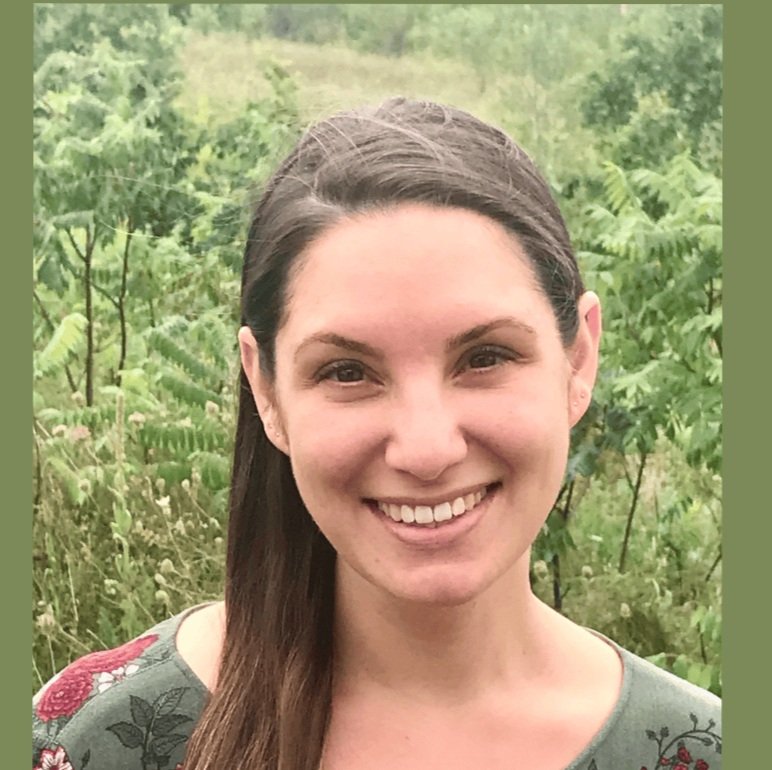
Dr. Lauren Steinhart, Psy.D. C. Psych.
Modalities: CPT, PE & WET
-
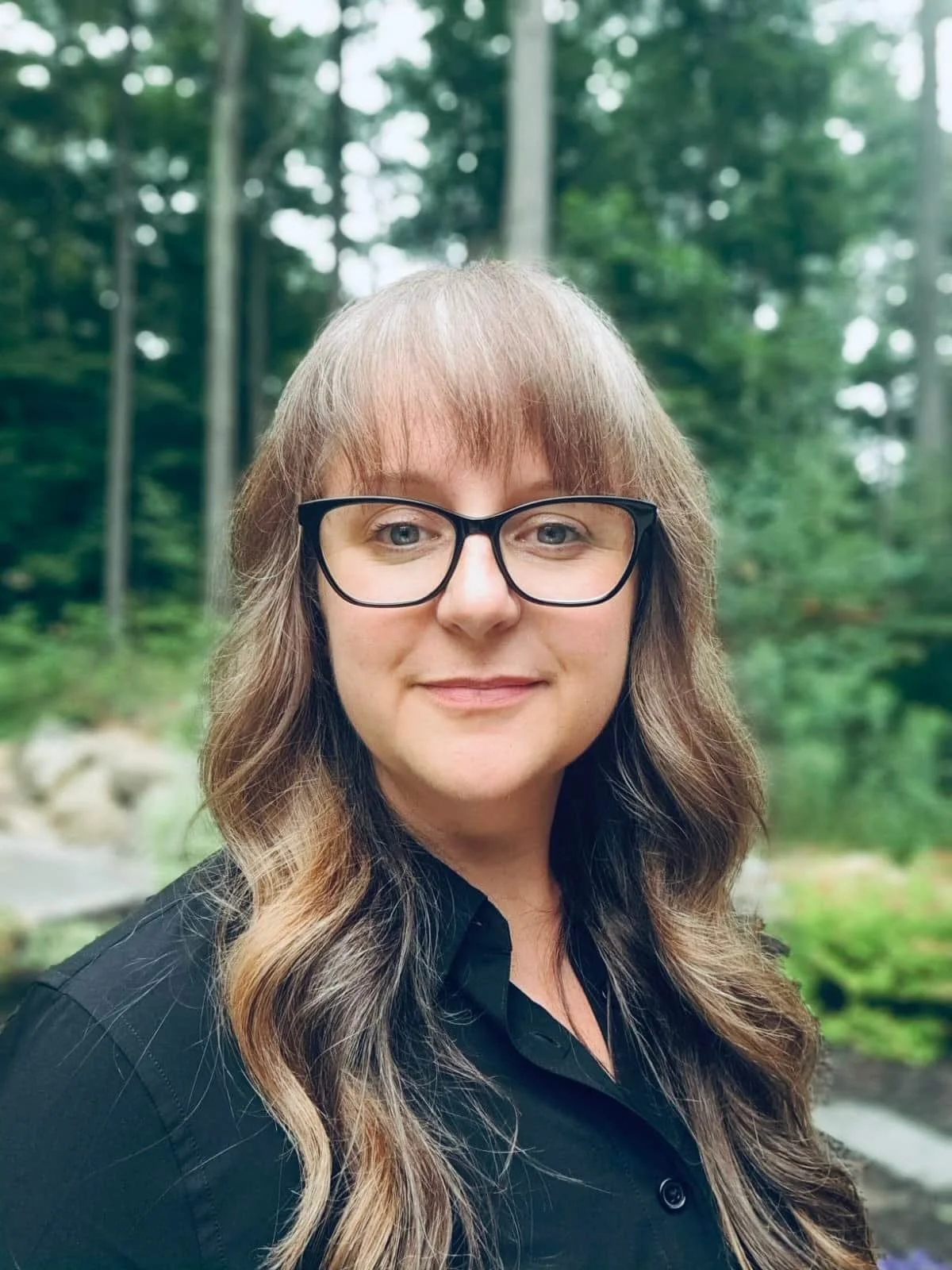
-

Catherine Sullivan, RSW, MSW
Modalities: EMDR
Certifications: EMDR Canada, EMDR International Association
-

Angela Hammond, RSW, MSW
Modalities: CPT
-

Jennifer O’Connor, RP
Modalities: CPT, PE & EMDR
-
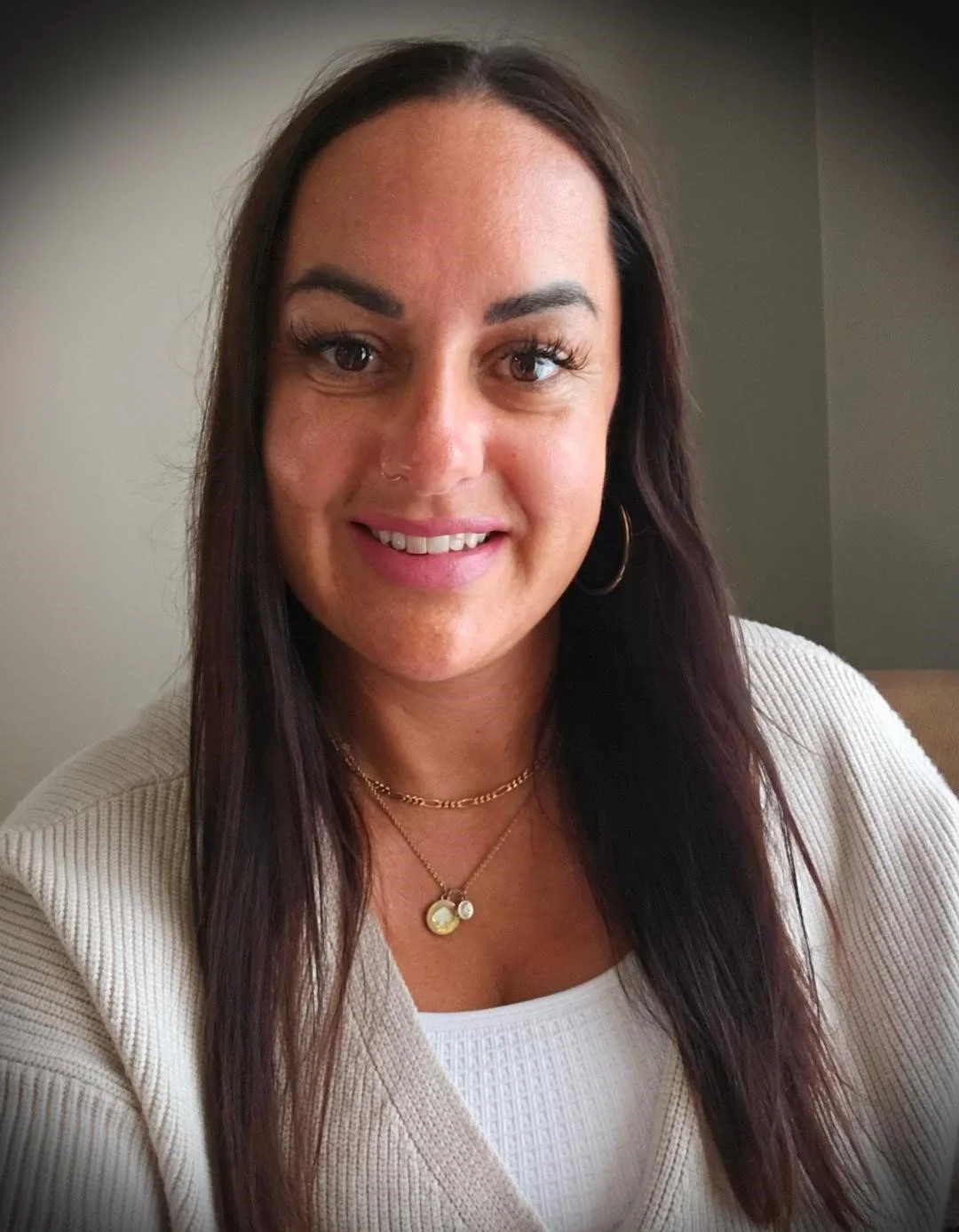
Crystal Pacheco, RSW, MSW
Modalities: CPT
-

Christa Ritchie, RSW
Modalities: CPT
-

Jennifer-Mae Andrus, M.A., M.A. C. Psych.
Modalities: CPT
-
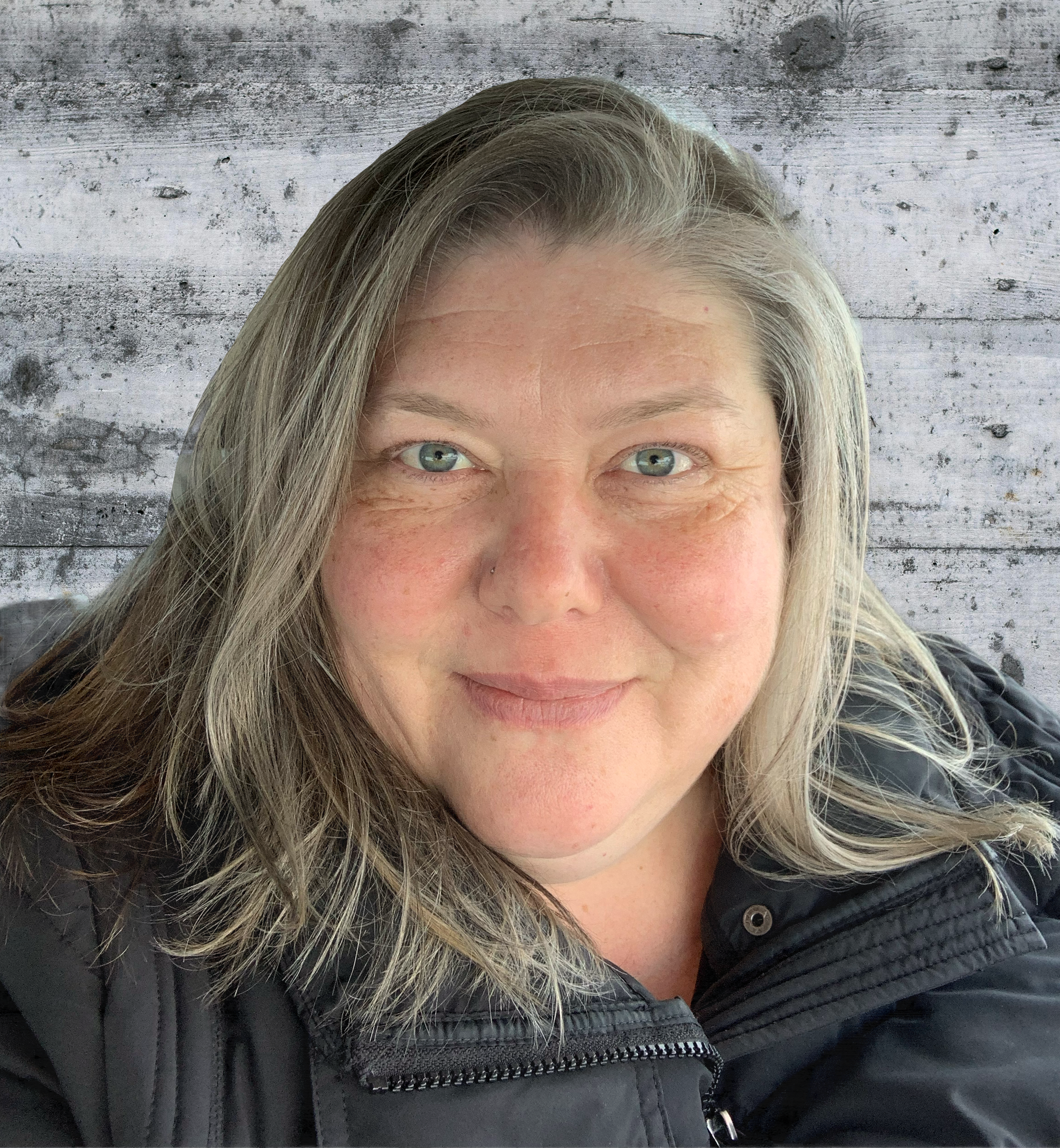
Nicole Moore, RSW, MSW
Modalities: CPT & PE
-

Dr. Alyssa MacDonald, Psy.D. C.Psych
Supervised Practice with Dr. Steinhart
Modalities: CPT & PE
Common Signs and Symptoms of PTSD and Trauma
Trauma and PTSD affect people differently. Some people feel it in their body. Others feel it in their thoughts, emotions, or behaviour. Here are the most common signs that online trauma therapy in Ontario could help.
Intrusive thoughts, memories or flashbacks of the traumatic event
Nightmares of the traumatic event
Avoidance of triggers or reminders of the traumatic event
Feelings of detachment or emotional numbness
Hypervigilance or constantly being on guard
Difficulty sleeping or concentrating
Irritability, anger, or outbursts of aggression
Feelings of guilt or shame
Negative changes in beliefs or feelings about oneself, others, or the world
Loss of interest in activities that you used to enjoyed
Reckless or self-destructive behaviour
What is PTSD? (Source: PsychHub)
Most people experience some of these symptoms after a traumatic event — and for many they fade over time. If symptoms persist beyond a few months and affect your daily life, it may be time to speak with an online trauma therapist in Ontario.
For more information: How do I know if I need therapy for a past trauma?
Cognitive Processing Therapy (CPT) for PTSD and Trauma
Cognitive Processing Therapy (CPT) is a structured, evidence-based treatment for PTSD and trauma. It is one of four treatments recommended by the American Psychological Association.
CPT helps you identify and change the unhelpful beliefs that keep you stuck — so you can feel safe, confident, and in control again (Resick et al., 2017).
Learn more about CPT for PTSD.
What is Cognitive Processing Therapy (CPT) for PTSD? Source: Psych Hub
CPT Therapy: Common Questions
How will CPT therapy help?
Cognitive Processing Therapy (CPT) helps you recover from trauma by changing how it lives in your mind and body.
Trauma can leave you stuck in painful thoughts like “It was my fault,”“I’m not safe,” or “I can’t trust anyone.” CPT works with these beliefs and helps you loosen their grip.
CPT helps you:
Understand how trauma has shaped your thoughts
Identify beliefs that keep you feeling stuck or unsafe
Learn to question and rebalance those beliefs
Reduce symptoms like flashbacks, guilt, shame, anger, and fear
Feel more grounded in the present
Rebuild trust in yourself and others
Over time, memories feel less intense. They stop controlling your emotions and reactions. You stay in charge again.
How many CPT sessions will it take?
CPT is a 12-session protocol. But, some people respond early (e.g. 4-6 sessions), and others may need up to 16 sessions.
Several factors can impact how many sessions you will need, including:
Completing the out of sessions practice
Attending your sessions every week (or more often if you want to feel better sooner)
Experience and training of the therapist
The complexity of your symptoms
Why Choose Virtual CBT for CPT Therapy in Ontario?
At Virtual CBT, we have certified CPT therapists (including Celissa Vipond, RSW, MSW, and Melissa Lindstrom, RSW, MSW), so you can relax knowing you're in good hands. It's time to take back control of your life and start healing with trauma treatment in Ontario.
Get started with online CPT therapy by booking your free 15-minute call today.
CPT Resources
CPT Self-Help Book
The Client Workbook for CPT is “Getting Unstuck from PTSD: Using Cognitive Processing Therapy to Guide Your Recovery” (Resick et. al, 2023).
CPT Blog Posts
You can also visit our blog post “The Power of Cognitive Processing Therapy (CPT) for PTSD” and Trauma and PTSD stuck points.
Learn about the differences between CPT and PE.
Additional CPT Resources and App
Find more CPT Resources from the authors’ website.
CPT has an app called “CPT Coach”. Learn more about CPT Coach.
Prolonged Exposure (PE) Therapy for PTSD and Trauma
Prolonged Exposure (PE) is one of the most researched treatments for PTSD available. If you have been coping by avoiding reminders of your trauma, PE helps you face those memories — in a safe and supported way. Over time avoidance decreases, anxiety fades, and you start to feel like yourself again.
PTSD and Prolonged Exposure (PE) (Source: Psych Hub)
What does Prolonged Exposure (PE) involve?
PE is a special form of PTSD treatment to help you feel better. PE will help you to:
Process the trauma by revisiting the memories in a safe and supportive environment.
By talking through what happened, your thoughts about the trauma will start to change.
When you stop avoiding and start processing, your emotions improve drastically. Trauma emotions tend to burn out over time (if you let them). You can think of your feelings like a fire burning out over time.
How many PE sessions will it take?
PE can take as little as 6 treatment sessions or as many as 16, depending on your unique needs and circumstances. Each weekly session is about 60-90 minutes long.
Learn more about what happens in trauma therapy: CPT and PE.
EMDR Therapy for PTSD and Trauma in Ontario
EMDR stands for Eye Movement Desensitization and Reprocessing. EMDR is an evidence-based therapy for PTSD and trauma. The American Psychological Association recommends EMDR is a therapy for trama. During EMDR sessions, your therapist guides you to process difficult memories while using bilateral stimulation — such as eye movements or tapping. This helps your brain reprocess traumatic memories so they no longer cause distress.
What is EMDR? (Source: Psych Hub)
How long will EMDR therapy take?
One of the most appealing aspects of EMDR therapy is its efficiency. Treatment ranges from 6-16 sessions, depending on individual needs and circumstances. Each session lasts between 60 to 90 minutes.
Learn about the benefits of EMDR, the differences between CBT and EMDR, and the pros and cons of virtual versus in-person therapy. At Virtual CBT Psychotherapy, EMDR therapy is delivered online by trained specialists across Ontario — so you can access this evidence-based treatment from wherever you feel most comfortable.
What Events Can Cause PTSD and Trauma
Many people wonder whether their experience was "bad enough" to cause PTSD. The truth, it's about how the trauma impacts you — not its severity. Here are common events our online trauma therapists in Ontario treat.
Sexual behaviours or violence (e.g. rape, inappropriate touching, childhood sexual abuse, etc.)
Grief and loss (e.g. losing a loved one in a tragic accident or to an accidental drug overdose)
Medical situations (e.g. waking up in the middle of surgery)
Physical abuse including intimate partner violence (IPV)
Witnessing a suicide or losing a family member to suicide
Any life-threatening situations (e.g. house fire, drowning, break, kidnapping, etc.)
Witnessing someone die, or near death, or seriously injured
Keep in mind that this list doesn't cover all traumas, and many other tough situations might cause PTSD. If you are struggling with past trauma, you may still benefit from CBT or EMDR.
You may also want to read Who Can Develop PTSD? and Childhood Trauma

High-Risk Professions and PTSD in Ontario
Did you know that certain professions can put individuals at a higher risk of developing post-traumatic stress disorder (PTSD)?
It's true - high-risk professions such as emergency responders (e.g. police officers, paramedics, firefighters), military personnel, and healthcare workers are more likely to experience traumatic events that can lead to PTSD. Learn about PTSD and first responders and nurses.
We also get many referrals for teachers who have experienced assault in the workplace. It's important to recognize the risks associated with these professions and take steps to support those affected by them. Learn about teachers and mental health.
The Three Main Types of Trauma

Acute Trauma
Acute trauma happens when you go through a single, intense event. For instance being in a serious car accident.
Although Trauma comes in different forms, we can categorize it into 3 types. This can help us better understand you and what you are going through. Our therapies can help with all three types of trauma!

Chronic Trauma
Chronic trauma is when you deal with stressful situations repeatedly over a long time. For instance, being bullied every day at school.

Complex Trauma
Complex trauma means experiencing multiple traumatic events over a long period and for many years.
Meet our Clinical Directors at Virtual CBT Psychotherapy

Celissa Vipond (MSW) and Melissa Lindstrom (MSW) are registered social workers (RSW) who founded Virtual CBT Psychotherapy in 2021.
They will meet with you for your free call and discuss if our clinic suits you. Both Celissa and Melissa specialize in providing care to those with a history of trauma or PTSD. They are both registered CPT providers. Celissa is also a registered PE therapist and consultant.
Book a free 15-minute call to start your trauma-healing journey today.
Frequently Asked Questions (FAQs): Online Trauma Therapy in Ontario
What is online trauma therapy?
Online trauma therapy is treatment for PTSD and trauma delivered by video — from your home. At Virtual CBT Psychotherapy, our trauma specialists serve clients across Ontario. You meet your therapist on a secure video platform. No travel required.
Is online trauma therapy as effective as in-person treatment?
Yes. Research shows that online trauma therapy works as well as in-person care. A study in the Journal of Consulting and Clinical Psychology found that video CPT produced the same results as face-to-face therapy (Morland et al., 2014). Many Ontario clients prefer working from home. It feels safer and more comfortable.
What are the best therapies for PTSD and trauma?
The American Psychological Association recommends four treatments for PTSD - CBT, CPT, Prolonged Exposure, and EMDR. Our trauma therapists offer all four at Virtual CBT Psychotherapy. We will help you choose the best fit based on your symptoms and goals.
Do I need a referral to start online trauma therapy in Ontario?
No. You do not need a referral to start therapy. Book a free 15-minute call and connect with an online trauma therapist in Ontario today. Our Clinical Directors will match you with the right therapist for your needs.
Can I have PTSD without flashbacks?
Yes. Flashbacks are not required for a PTSD diagnosis. According to the DSM-5, PTSD requires at least one intrusive symptom from a cluster of five possibilities. These include distressing memories, nightmares, psychological distress at trauma reminders, and physical reactions to reminders, as well as flashbacks (American Psychiatric Association, 2013). You can meet the full diagnostic criteria without ever experiencing a flashback.
What if my trauma happened a long time ago?
Online trauma therapy works no matter when the trauma happened. If you remember the event, PE and CPT are both strong options. If your memory is less clear, CPT tends to work better. Old trauma can still cause real pain — and our Ontario trauma therapists can still help.
What if my trauma history is complex?
Many of our Ontario clients have complex trauma histories. Research has never excluded people with complex histories from PTSD treatment. As long as you are currently safe, online trauma therapy is appropriate. Book a free call and our CBT therapists will help find the right approach for you.
How do I get started with online trauma therapy in Ontario?
Ready to start online trauma therapy in Ontario? Book your free 15-minute call today. Our Clinical Directors will listen to your story, answer your questions, and match you with trauma therapist. No referral needed.
References
American Psychiatric Association. (2013). Diagnostic and statistical manual of mental disorders (5th ed.).
American Psychological Association. (2017). Clinical practice guideline for the treatment of PTSD.APA Guide.
Herman, J. L. (1992). Trauma and recovery: The aftermath of violence — from domestic abuse to political terror. Basic Books.
Morland, L. A., Mackintosh, M. A., Greene, C. J., Rosen, C. S., Chard, K. M., Resick, P., & Frueh, B. C. (2014). Cognitive processing therapy for posttraumatic stress disorder delivered to rural veterans via telemental health. Journal of Consulting and Clinical Psychology, 82(5), 756–765.
Resick, P. A., Monson, C. M., & Chard, K. M. (2017). Cognitive processing therapy for PTSD: A comprehensive manual. Guilford Press.