


Effective Virtual DBT Therapy in Ontario
Start your journey to wellness with an online DBT Therapist. Book a free 15-minute call to get started.
What is DBT Therapy?
Dialectical Behavioural Therapy (DBT) is a unique type of cognitive-behavioural therapy (CBT). Dr. Marsha Linehan, a psychologist, created this therapy in the late 1980s. “Virtual” or “online” means that you will complete your sessions at home (using a secure video platform).
Creators designed DBT for those facing intense emotions. It helps people manage their feelings and reduces self-destructive behaviors.
DBT combines behavioural and cognitive therapy techniques and incorporates elements of mindfulness practice. It is particularly effective in treating conditions such as borderline personality disorder (BPD). Researchers have adapted it for other mental health issues, too. This includes depression, anxiety, and substance abuse.
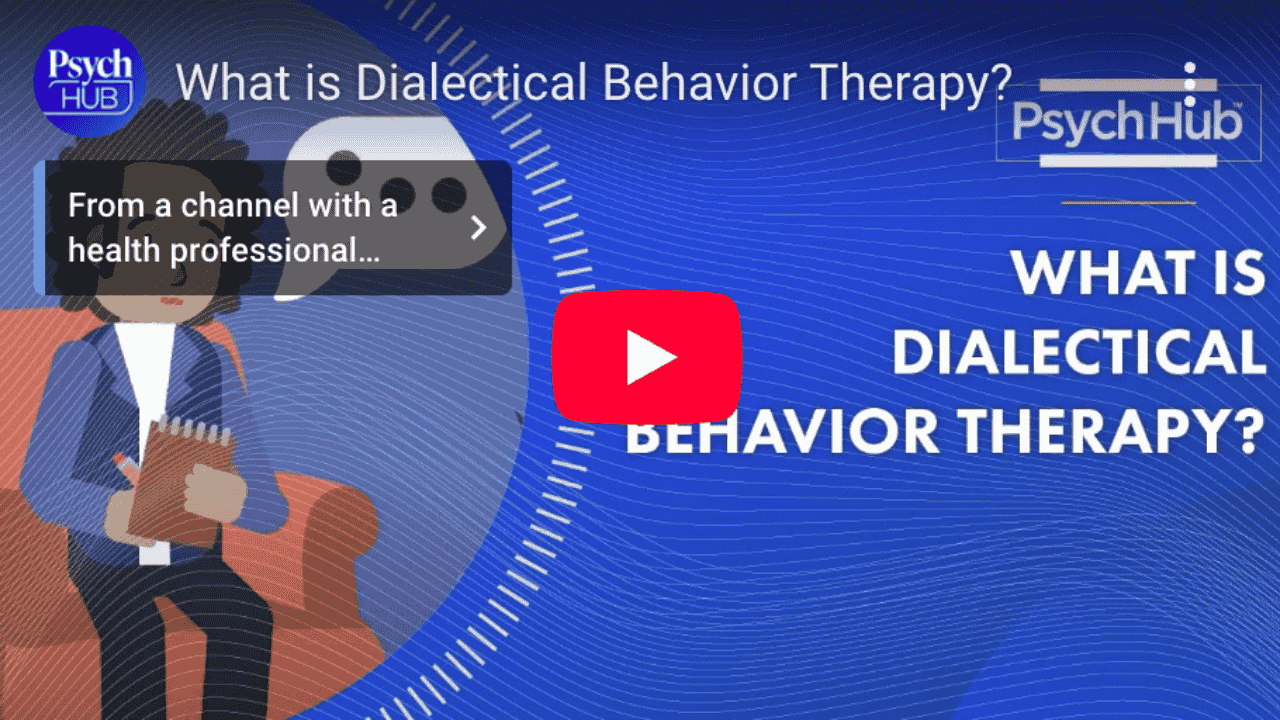
What is DBT? (Source: Psych Hub)
What Does “Virtual DBT” Mean?
Virtual means that you can meet with a DBT therapist from the comfort and safety of your home. You will complete your sessions online from your computer.
Not sure what you need for therapy, you can read our blog post “CBT vs DBT: Which is Right for You”.

Book a Free 15-Minute Call to Learn More About DBT Therapy
Book a free 15-minute call consultation. Our Clinical Directors, Celissa Vipond and Melissa Lindstrom, are registered social workers in Ontario. They will help you find a DBT therapist in Ontario. Learn how DBT can help you better manage your emotions.
Learn about our therapy fees at Virtual CBT.
Who Benefits from DBT Therapy?
Dialectical Behavior Therapy (DBT) is an evidence-based approach. It helps people struggling with intense emotions and challenging behaviours. Here’s a list of who DBT is particularly helpful for:
People with Borderline Personality Disorder (BPD). DBT was first developed to treat BPD. It can help with intense mood swings, impulsivity, and relationship struggles.
People Experiencing Chronic Suicidal Thoughts or Self-Harm. DBT provides tools to reduce self-destructive behaviours. It teaches healthier coping mechanisms and emotional regulation.
Those with Severe Anxiety or Depression. DBT can boost resilience and enhance emotional balance.
People with Trauma and PTSD. DBT’s focus on mindfulness and emotional regulation supports recovery. It is particularly effective when combined with other specialized therapies.
People Struggling with Addictions or Impulse Control. DBT works well for behaviours linked to substance use, binge eating, and gambling. It also addresses addictive patterns by teaching individuals healthier ways to cope.
Teens and Adults with Emotional Dysregulation. People who feel overwhelmed by their emotions or react strongly to situations can benefit from the skills. Skills like distress tolerance and interpersonal effectiveness can be helpful for emotional dysregulation.
First Responders and High-Stress Professionals. DBT helps those in high-pressure roles. It teaches them how to manage stress, prevent burnout, and navigate complex emotional experiences.
Anyone Looking to Improve Relationships. DBT’s interpersonal effectiveness skills teach communication strategies. These skills can foster healthier, more balanced relationships.
People Who Feel “Stuck” or Overwhelmed by Emotions. DBT empowers people to gain control over their emotional responses. The therapy can help you move toward a life aligned with your goals and values.
DBT Therapy can be life-changing for anyone seeking to better understand their emotions. It can also help you navigate challenges and build a more fulfilling and balanced life.
Meet Our Online DBT Therapists in Ontario
-

Alana Weinberg, RSW, MSW
Registered Social Worker
-

Jennifer-Mae Andrus, M.A., M.A., C. Psych
Clinical Psychologist
-

Kimberley Ross, RSW
Registered Social Worker
“Research shows that Dialectical Behaviour Therapy (DBT) has a high efficacy rate in treating borderline personality disorder (BPD), with approximately 50-60% of individuals experiencing significant reductions in symptoms (Linehan et al., 2006).”
— Linehan, M. M., Comtois, K. A., Murray, A. M., Brown, M. Z., Gallop, R. J., Heard, H. L., ... & Lindenboim, N. (2006). 
What are the Components of DBT?
There are four components of DBT including:
Distress Tolerance
DBT helps people handle tough situations. It teaches them to stay calm instead of acting on impulse or harming themselves.
Emotion Regulation
DBT helps people recognize and name their emotions. It also teaches them the purposes of different feelings. Finally, it offers strategies for managing strong emotions.
Interpersonal Effectiveness
DBT helps improve interpersonal skills. This includes assertiveness, communication, and conflict resolution. These skills enhance relationships and reduce conflicts.
Mindfulness
Mindfulness practices are an integral part of DBT. They help people focus on the moment. They encourage observing thoughts and feelings without judgment. This builds greater self-awareness.
DBT is often provided in individual therapy sessions, group therapy, and skills training classes. It offers practical tools and strategies to help people manage tough emotions and behaviors. This leads to better emotional health and improved daily functioning.
*Please note that we don’t offer a full DBT program; instead, we offer DBT-informed therapy or DBT skills.
What are the Benefits of Learning DBT Skills?
DBT offers many benefits for those who undergo treatment. These benefits are especially important for people dealing with emotional dysregulation, self-destructive behaviours, and certain mental health conditions. Here are some key benefits of DBT:
Emotion Regulation: DBT teaches you to understand, label, and manage your emotions. This leads to better emotional stability and fewer unhelpful reactions to strong feelings.
Reduced Self-Harm and Suicidal Behaviour: DBT can lower self-harming behaviours and suicidal thoughts. This makes it a vital option for those facing these challenges.
Improved Interpersonal Relationships: DBT enhances your communication, assertiveness, and conflict resolution skills. These improvements often result in healthier and more fulfilling relationships.
Enhanced Coping Strategies: DBT provides a set of coping tools to help you handle distressing situations. It also helps you to learn to cope with triggers without resorting to harmful actions.
Increased Mindfulness: Practicing mindfulness daily boosts self-awareness and reduces reactivity. This skill helps you manage stress and anxiety effectively.
Symptom Reduction: DBT reduces symptoms of borderline personality disorder (BPD). It also reduces symptoms of depression, anxiety, and substance abuse.
Improved Quality of Life: DBT aims to enhance your quality of life.
Empowerment: DBT encourages you to take an active role in your mental health. By building skills and increasing self-awareness, you gain more control over your emotions.
Long-Term Success: DBT is a long-term therapy approach. Its benefits often last beyond treatment, as the skills learned can help maintain emotional stability.
Reduction in Hospitalizations: DBT can lower the need for hospitalizations, leading to a better quality of life.
Remember, the benefits of DBT can vary for each person. The therapy's effectiveness depends on individual circumstances and commitment. DBT is usually provided by trained therapists offering tailored support and guidance.
DBT Therapy Self-Help Books
Calming the Emotional Storm: Using Dialectical Behavior Therapy Skills to Manage Your Emotions and Balance Your Life (Sheri Van Dijk MSW, 2012)
The Dialectical Behavior Therapy Skills Workbook
How do I get started with a Virtual DBT Informed Therapist?
You can book a free consultation directly on our website by clicking the tab below. At your first therapy session, your DBT therapist will get to know you by asking a series of questions and then creating an individualized treatment plan.
Frequently Asked Questions (FAQs) About Online DBT

-
Online or virtual DBT is like regular therapy, but it's done through video calls or online platforms instead of in-person.
You'll meet with a therapist who will teach you skills through discussions, exercises, and homework.
You might also have access to resources like videos or worksheets to help you practice the skills between sessions.
-
Research suggests that online DBT can be just as effective as in-person DBT for many people.
It allows you to access therapy from the comfort of your own home and can be more convenient for those with busy schedules or who live far from therapy offices.
However, it's essential to find a qualified therapist and commit to practicing the skills regularly for the best results.
-
Virtual DBT can benefit anyone who struggles with intense emotions, impulsive behaviors, or difficulties in relationships.
It's commonly used for conditions like borderline personality disorder, depression, anxiety, and substance abuse. If you're willing to learn new skills and work on improving your mental health, online DBT could be helpful for you.
-
We have therapists who specialize in treating past traumas (or post-traumatic stress disorder, PTSD) and can integrate DBT skills. However, it is best if you see Alana for some pre-trauma work (especially if you struggle with emotional regulation or unhelpful behaviours like self-injury severe substance use, or suicidal ideation).
Once you have met your DBT goals, you could be transitioned to one of our trauma or PTSD therapists. You can read more about our trauma treatment here. We have one therapist (Celissa Vipond) who is trained in DBT PE (Prolonged Exposure).