Written by Dr. Natalie Hazzard, Psy.D., C.Psych
Last updated April 16, 2026
If you’ve been wondering whether you might have autism, you’re not alone. Many adults start asking this question later in life. You may have always felt “different,” struggled socially, or found certain environments overwhelming. Or maybe someone in your life suggested it.
Whatever brought you here, this is a good place to start. Understanding autism assessment and diagnosis in Ontario can help you take the next step. Let’s walk through what to expect and how to get help.
At Virtual CBT, we offer online adult and teen assessments for autism. Meet Dr. Natalie Hazzard, the clinical psychologist who will complete your assessment. Book a free 15-minute calltoday to learn more about autism assessments and diagnosis.
*Please note that our services are not covered by OHIP. Many private health plans cover services by a registered psychologist psychological assessments.
Why Adults Seek Autism Assessments
Many people think of autism as something diagnosed in childhood. That’s true—but it’s not the full story.
Many clinicians missed autism in a lot of adults when they were growing up. This is especially common if you:
Learned to “mask” or hide your differences
Did well in school
Were labeled as shy, anxious, or sensitive instead
Are female or gender-diverse (autism can present differently)
As awareness has grown, more adults now recognize the traits of Autism Spectrum Disorder.
Seeking an assessment is not about labeling yourself. It’s about understanding yourself.
Research shows that getting a diagnosis later in life can bring relief, clarity, and self-acceptance (Lewis, 2016).
What Is an Adult Autism Assessment?
An adult autism assessment is a structured process done by a qualified clinician. The assessment is usually completed by a psychologist.
In Ontario, assessments follow clinical guidelines and use standardized tools. The goal is to understand whether your experiences fit the criteria for autism.
According to the Diagnostic and Statistical Manual of Mental Disorders (DSM-5-TR) defines autism. Clinicians use this as the foundation for diagnosis.
The assessment looks at:
Social communication patterns
Sensory sensitivities
Repetitive behaviours or routines
Developmental history (even in adulthood, this matters)
It’s not a quick test. It’s a thoughtful, in-depth process.
What Does the Assessment Process Look Like?
Here’s what typically happens in Ontario:
1. Initial Consultation
You meet with a psychologist to talk about your concerns and goals.
This is your space to share your story. There’s no pressure to “prove” anything.
2. Clinical Interview
The clinician asks detailed questions about:
Your childhood (if you can recall it)
Relationships and communication
Work or school experiences
Sensory experiences (noise, textures, lights)
They may ask about anxiety, ADHD, or mood as well. These often overlap with autism.
3. Standardized Testing
Clinicians often use tools like:
Autism Diagnostic Observation Schedule (ADOS-2)
Autism Diagnostic Interview-Revised (ADI-R)
These tools help ensure the assessment is reliable and evidence-based (Lord et al., 2012).
Some clinicians also include cognitive or personality testing to better understand your profile.
4. Collateral Information
If possible, the clinician may ask for input from someone who knew you as a child (like a parent).
If that’s not available, don’t worry. Many adults still complete assessments without this step.
5. Feedback Session
At the end, you receive clear feedback:
Whether you meet criteria for autism
A written report
Personalized recommendations
This is often the most meaningful part. It helps connect the dots in your life.
How Much Do Adult Autism Assessments Cost in Ontario?
This is one of the hardest parts for many people.
In Ontario, adult autism assessments are usually not covered by OHIP. The assessment a psychological service.
Typical costs:
$2,000 to $4,000+ depending on complexity
Often private workplace benefits will cover a portion of this cost, we recommend looking into your benefits before booking a consult to confirm coverage. We can also provide you with a preauthorization form if needed!
Why Get an Autism Assessment or Diagnosis as an Adult?
You might wonder if it’s “worth it.”
Here’s what many people gain:
Clarity
You understand why certain things have always felt harder.
Self-Compassion
You stop blaming yourself for differences that have a neurological basis.
Better Support
You can access accommodations at work or school.
Mental Health Relief
Many adults feel less anxiety and shame after diagnosis (Huang et al., 2020).
This isn’t about changing who you are. It’s about understanding who you’ve always been.
Common Fears About Getting Assessed for ASD
Let’s name a few concerns people often have.
“What if I’m not autistic?”
That’s okay. The process still helps you understand yourself better.
“What if I am autistic?”
That can feel scary—but also validating. Many people feel relief.
“Will this change how people see me?”
You control who you tell. A diagnosis is private unless you choose to share it.
“I’ve made it this far. Do I need this?”
You’ve coped. But coping isn’t the same as understanding.
Signs That an Adult Autism Assessment Might Help
You might consider an assessment if you:
Feel drained after social interactions
Struggle to read social cues
Prefer routines and predictability
Experience sensory overload
Have intense, focused interests
Feel like you’ve been “masking” your whole life
These don’t automatically mean autism—but they’re worth exploring.
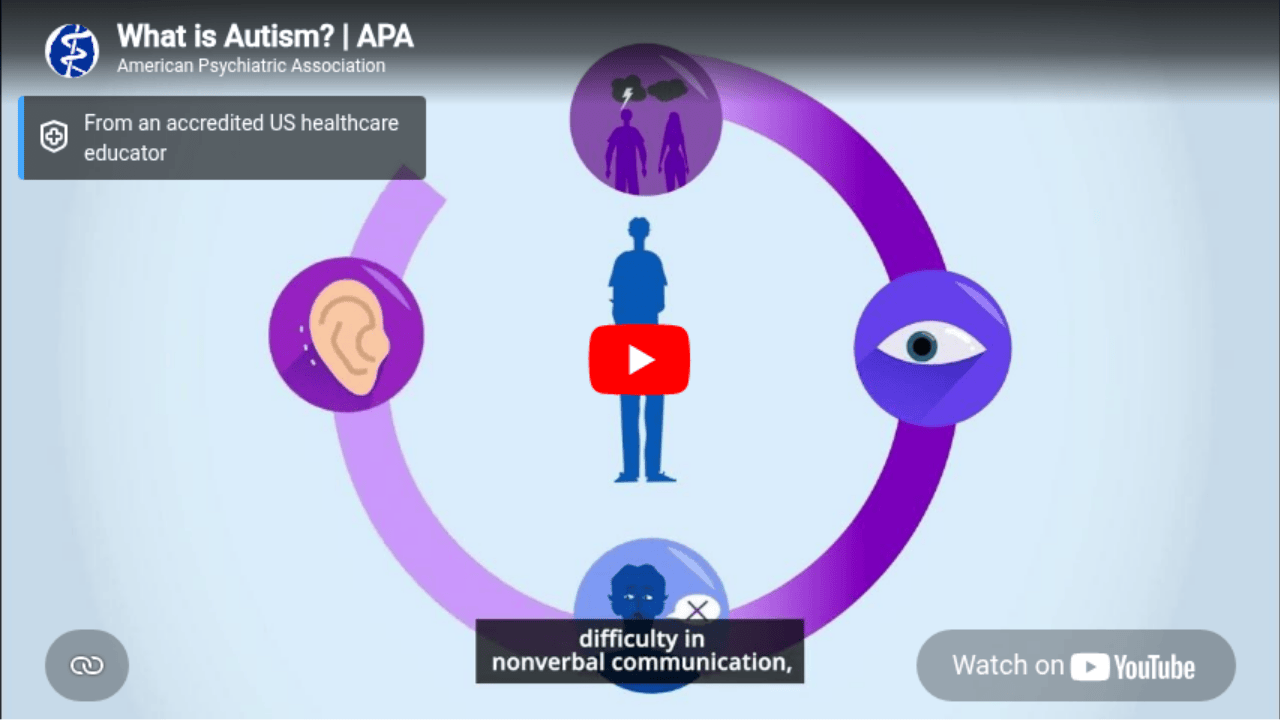
What is Autism? Source: American Psychiatric Association
What Happens After a Diagnosis?
A diagnosis is not the end. It’s the beginning.
You might:
Learn new coping strategies
Adjust your environment to reduce overwhelm
Explore therapy (like CBT adapted for autism)
Connect with the autistic community
Support matters. You don’t have to figure it out alone.
Frequently Asked Questions (FAQ): Adult Autism Assessments Ontario
How long does an adult autism assessment take in Ontario?
Most assessments take several hours spread over many sessions. The full process can take a few weeks from start to final report.
Can my family doctor diagnose autism?
No. In Ontario, psychologists or psychiatrists diagnose autism.
Is an online autism assessment valid in Ontario?
Yes—many psychologists offer virtual assessments. These can be valid if they follow proper clinical standards.
Can I get accommodations at work with a diagnosis?
Yes. A formal diagnosis can support workplace accommodations under human rights legislation in Ontario.
What if I don’t remember my childhood well?
This is common. Clinicians work with what you can recall and may use other tools to fill in gaps.
Is autism often missed in adults?
Yes. Many adults—especially women—are diagnosed later in life (Lai & Baron-Cohen, 2015).
What’s the difference between autism and social anxiety?
They can overlap. Social anxiety centres around fear of judgment. Autism involves differences in social communication and sensory processing.
A good assessment helps tell them apart.
What About Teens? Autism Assessments for Adolescents in Ontario
Sometimes the question comes up earlier—during the teen years.
This stage can feel especially confusing. Social expectations increase. School becomes more demanding. Friendships get more complex. Many teens start to notice they feel different, but they can’t explain why.
An autism assessment during adolescence can help make sense of this.
Why Teens Seek Autism Assessments
Teens may seek an assessment if they:
Struggle to keep up with social dynamics at school
Feel overwhelmed by noise, crowds, or sensory input
Experience anxiety or burnout from masking
Have intense interests that feel different from peers
Feel misunderstood by teachers or classmates
Sometimes parents notice these patterns first. Other times, teens begin to ask questions themselves.
How Teen Assessments Are Different
The process is like adult autism assessments, but with a few key differences:
Parent involvement matters more. Clinicians usually gather detailed developmental history from caregivers
Clinicians may include school input. Report cards or teacher feedback can help provide context
Focus on current functioning. Clinicians look at how the teen manages school, friendships, and daily life
Like adult assessments, clinicians still use tools based on the Diagnostic and Statistical Manual of Mental Disorders (DSM-5-TR) to guide diagnosis.
Why Early Identification of ASD Helps
Getting clarity during the teen years can make a big difference.
It can help teens:
Understand themselves earlier
Reduce self-blame and confusion
Access school accommodations
Build coping strategies before adulthood
Research shows that earlier identification can improve mental health and long-term outcomes (Lai & Baron-Cohen, 2015).
A Note to Parents and Teens
If you’re a parent, you may worry about labeling your child.
If you’re a teen, you may worry about being “different.”
An assessment doesn’t define you. It helps explain you.
And understanding is a powerful place to start.
Book an Adult or Teen Autism Assessment with Virtual CBT
At Virtual CBT, we offer online psychological assessments to people who are 14 years of age and live in Ontario or Quebec. Book a free consultation with our team today. Or reach out by email (frontdesk@virtualcbt.ca) if you prefer to skip the consult.
Meet Dr. Natalie Hazzard, Psy.D., C.Psych., the clinical psychologist who conducts the autism assessments in Ontario.
We understand how complex this decision can feel. We take a thoughtful, supportive approach. We move at your pace. We explain each step clearly.
You deserve clarity. You deserve to understand yourself.
Learn more about CBT for Autism.
Written by Dr. Natalie Hazzard, Psy.D., C.Psych
References
American Psychiatric Association. (2022). Diagnostic and statistical manual of mental disorders (5th ed., text rev.; DSM-5-TR).
Huang, Y., Arnold, S. R., Foley, K. R., & Trollor, J. N. (2020). Diagnosis of autism in adulthood: A scoping review. Autism, 24(6), 1311–1327.
Lai, M.-C., & Baron-Cohen, S. (2015). Identifying the lost generation of adults with autism spectrum conditions. The Lancet Psychiatry, 2(11), 1013–1027.
Lewis, L. F. (2016). Exploring the experience of self-diagnosis of autism spectrum disorder in adults. Archives of Psychiatric Nursing, 30(5), 575–580.
Lord, C., Rutter, M., DiLavore, P. C., Risi, S., Gotham, K., & Bishop, S. L. (2012). Autism Diagnostic Observation Schedule, Second Edition (ADOS-2). Western Psychological Services.